

Lunch Ideas for Gout: Simple Meals That Keep Things Balanced
When you live with gout, lunch can sometimes feel harder than it should.
You may wonder: Can I eat beans? Is chicken okay? What about fish? Should I avoid meat completely? Do I need to eat salad every single day?
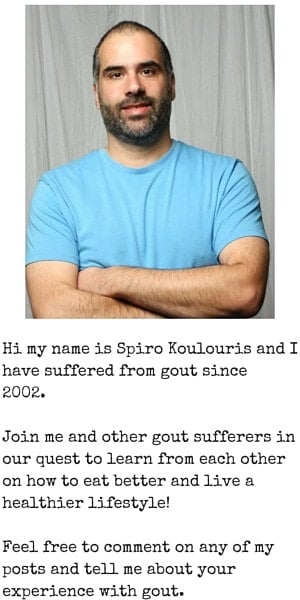
I have lived with gout for many years, and one thing I have learned is that a gout-friendly diet does not have to be boring or complicated. I like to build my lunches around vegetables, whole grains, healthy fats, and plant-based proteins. Then, when I want meat or fish, I keep the portion reasonable.
For me, the goal is not perfection. It is creating meals I can enjoy and stick with over the long term.
Research also supports looking at the whole eating pattern instead of being afraid of one food. The American College of Rheumatology recommends limiting excess purines, alcohol, and high-fructose corn syrup, but it also points out that diet usually causes only modest changes in uric acid compared with medication when medication is needed.
Here are some of my favorite ways to build a gout-friendly lunch.
1. Start With More Plants
I like to make plants the biggest part of my lunch.
That can include:
- Lettuce and leafy greens
- Tomates
- Cucumbers
- Bell peppers
- Zanahorias
- Col
- Brócoli
- Aguacate
- Berries or another piece of fruit
- Brown rice, quinoa, barley, or whole-grain bread
Plant foods give me fiber, vitamins, minerals, and many helpful plant compounds.
A plant-heavy eating pattern may also be a good choice for people watching their uric acid. Research on vegetarian and plant-based diets has generally found that well-planned plant-based eating patterns are associated with a lower risk of high uric acid and gout.
That does not mean you have to become a vegetarian. I am talking about making plants the foundation of the meal.

2. Don’t Be Afraid of Beans and Lentils
This is one of the biggest questions I hear.
Los frijoles, contain purines, so some people with gout think they need to avoid them completely. I don’t think that is necessary for most people.
Beans, lentils, and chickpeas are great sources of plant protein and fiber. The research suggests that plant sources of purines do not seem to carry the same gout risk as large amounts of certain meats and seafood.
Plant-based proteins have also been studied as part of healthy dietary patterns that may help support better uric acid levels. One controlled feeding study found that a Mediterranean-style diet higher in protein, with about half of the protein coming from plant foods, modestly lowered uric acid.
One of my easiest lunches is a chickpea bowl.
I combine chickpeas with chopped cucumber, tomatoes, red peppers, lettuce, a little olive oil, lemon juice, and herbs. I may add some brown rice or quinoa if I want something more filling.
Simple, colorful, and satisfying.
3. Try a Lentil and Vegetable Soup
Soup is another easy lunch that works well for me.
I like a Greek basic lentil soup aka fakes made with lentils, carrots, celery, onions, tomatoes, garlic, and herbs.
Add a slice of whole-grain bread on the side and you have a filling meal with plant protein and plenty of fiber.
Just watch the salt if you are using canned soup. Many packaged soups contain a lot of sodium.
Better yet, make a big batch at home and freeze individual portions.
4. Build a Gout-Friendly Burrito Bowl
You don’t need meat to make a great burrito bowl.
I might start with brown rice and add black beans, lettuce, tomato, corn, peppers, avocado, and fresh salsa.
A spoonful of plain Greek yogurt can replace sour cream.
This gives me protein from the beans and yogurt, carbohydrates from the rice, healthy fats from avocado, and plenty of vegetables.
It is also easy to meal-prep.
5. Make a Mediterranean Chickpea Wrap
For a fast lunch, I like wraps.
I can take a whole-grain tortilla and fill it with mashed chickpeas, cucumber, tomato, lettuce, grated carrot, and a little hummus.
Sometimes I add feta cheese.
Another option is a hummus and vegetable wrap with avocado.
These types of lunches are proof that eating with gout does not mean eating plain food.
Herbs, lemon juice, olive oil, garlic, paprika, pepper, and other seasonings can add plenty of flavor.
6. Try Tofu for Plant-Based Protein
Tofu is another protein I like to include.
Soy sometimes worries people with gout because soybeans contain purines. But current research does not support automatically avoiding soy foods just because you have gout.
I might make a tofu stir-fry with broccoli, carrots, peppers, cabbage, and brown rice.
I usually keep the sauce simple because many bottled sauces are loaded with sugar and salt.
Tofu also works well cold in a grain bowl or cooked in an air fryer and tossed into a salad.
7. Eggs Make Lunch Easy
Huevos are another simple protein choice.
They are naturally low in purines and can make a filling lunch without needing meat.
I might have two eggs with whole-grain toast, avocado, tomato, and a side salad.
Or I will make a vegetable omelet with peppers, onions, spinach, and a little low-fat cheese.
Breakfast food for lunch? Why not?
8. Chicken Breast Can Fit
I don’t believe someone with gout needs to completely eliminate meat unless their doctor or dietitian has given them a reason to do so.
When I eat chicken, I prefer skinless chicken breast and keep the portion around 4 to 6 ounces.
Then I make the vegetables and whole grains the larger part of the meal.
One lunch idea could be grilled chicken breast over a large salad with lettuce, cucumber, tomatoes, peppers, avocado, and olive oil.
Another option is chicken with brown rice and roasted vegetables.
The key for me is portion control. I don’t need a giant piece of chicken covering half the plate.
9. Fish Can Be Part of the Picture
Pez can provide protein and healthy fats, but purine levels vary quite a bit between different types of seafood.
Some seafood, such as anchovies, sardines, and certain shellfish, can be particularly high in purines.
When I choose fish, I keep my serving moderate—around 4 to 6 ounces—and build the rest of the meal around vegetables and whole grains.
A simple lunch could be baked salmon with a large salad and quinoa.
I don’t look at fish as either “good” or “bad.” I look at the type, the portion, how often I eat it, and what the rest of my diet looks like.
10. Lean Beef? Keep the Portion Small
You can also fit some lean beef into a balanced diet if it works for you.
I would keep it occasional rather than making red meat my everyday lunch protein.
A 4-ounce portion of lean beef can be sliced over a large salad or served with vegetables and a whole grain.
I would rather have a smaller amount of beef surrounded by healthy foods than make a 10- or 12-ounce steak the center of the meal.
That is the way I think about moderation.
What I Like to Drink With Lunch
My first choice is simple: water.
Staying hydrated is especially important when you have gout because the kidneys play a major role in removing uric acid.
I try to be careful with regular soda, sweetened iced tea, energy drinks, and other drinks loaded with added sugar or high-fructose corn syrup.
The American College of Rheumatology specifically recommends limiting high-fructose corn syrup for people with gout.
Water with lemon or lime is usually all I need.
Think Mediterranean-Style
One eating pattern I really like for a gout-friendly lifestyle is the Dieta mediterránea.
It focuses on vegetables, fruits, whole grains, beans, lentils, nuts, seeds, olive oil, and moderate amounts of fish, poultry, eggs, and dairy. Red meat is usually eaten less often and in smaller portions.
This style of eating is also linked with better heart and metabolic health, which matters because gout often overlaps with conditions like high blood pressure, obesity, and insulin resistance.
Research has also found that following a Mediterranean-style diet may be linked with lower uric acid levels and a lower risk of hyperuricemia.
That is another reason I like lunches built around vegetables, whole grains, plant-based proteins, olive oil, and smaller portions of lean meat or fish.
A Mediterranean-style lunch can be as simple as a chickpea salad with tomatoes, cucumbers, olive oil, and whole-grain bread, or grilled chicken with quinoa and roasted vegetables.
My Simple Gout-Friendly Lunch Formula
When I don’t know what to make, I use a very simple formula:
Half my meal comes from vegetables or fruit.
Then I add a whole-grain carbohydrate such as brown rice, quinoa, barley, or whole-grain bread.
Next comes protein. Most days, that can be beans, lentils, chickpeas, tofu, eggs, or low-fat dairy.
If I want chicken, fish, or lean beef, I keep it to about 4 to 6 ounces.
Finally, I add a little healthy fat from olive oil, avocado, nuts, or seeds.
That gives me a meal that tastes good, fills me up, and fits into the way I want to eat for my overall health.
En resumen,
If there is one thing I have learned about eating with gout, it is that I don’t want food to become something I fear.
I would rather focus on what I can eat.
Vegetables, fruits, beans, lentils, chickpeas, tofu, eggs, whole grains, nuts, seeds, and low-fat dairy give me plenty of lunch choices. Chicken breast, fish, and even some lean beef can also fit when portions are kept reasonable.
And remember that food is only one part of gout management.
Your genes, kidneys, body weight, medications, alcohol intake, metabolic health, and other factors can all affect uric acid. If you need uric-acid-lowering medication, a healthy lunch is not a replacement for it.
For me, the best gout diet is not the most restrictive one.
It is the healthy way of eating that I can actually enjoy and continue doing tomorrow.
AVISO LEGAL
This article is for educational purposes only and should not replace medical advice. Patients should consult their physician for individual management.



 Spanish
  English
  French
  German